

What happens when one of the most recognizable faces in art history becomes the starting point for a deeply human story? For actress Marisol Nichols, encountering Mona Lisa’s Daughter revealed how a painting can transform the way we see a woman whose image has endured for centuries.

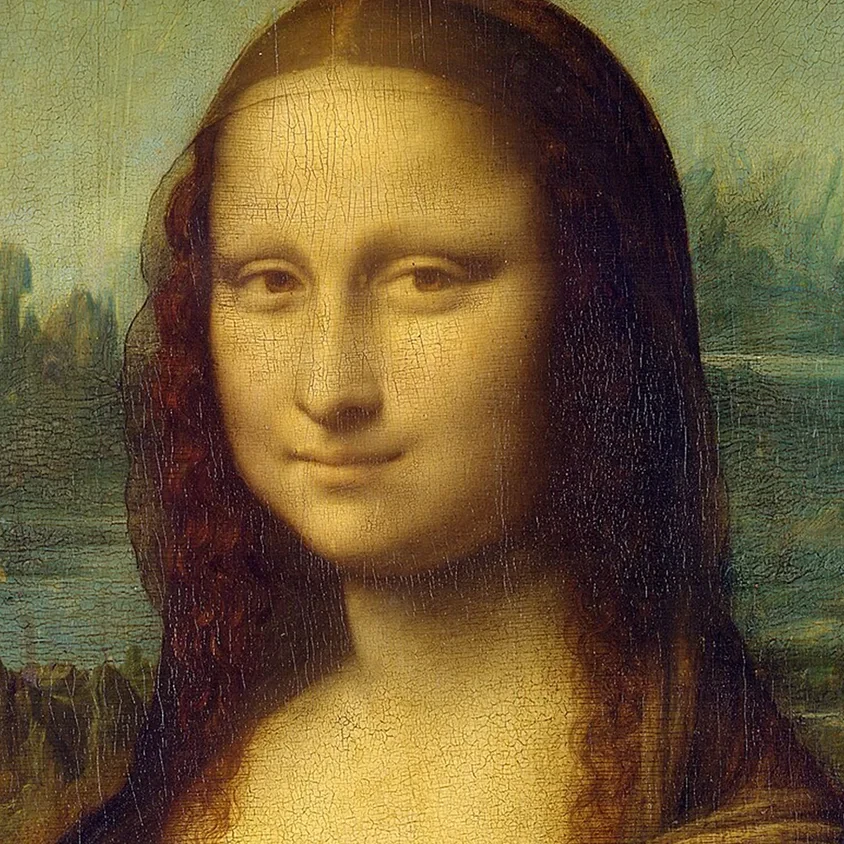
For generations, the Mona Lisa has been admired for her enigmatic expression. Her identity has been debated, her smile analyzed, and her image reproduced countless times. Yet behind the name traditionally associated with Leonardo da Vinci’s masterpiece was a real woman: Lisa del Giocondo, a mother whose life extended far beyond the portrait that made her immortal.

This distinction lies at the heart of Mona Lisa’s Daughter, an oil painting completed in 2023 by Italian artist Alex Righetto.

Rather than revisiting the familiar mystery of the Mona Lisa’s smile, the work invites viewers to consider a different question: What happens when we look beyond an icon and begin to imagine the human experiences behind it?

For actress Marisol Nichols, that question became unexpectedly personal when she encountered the original painting during a visit to Righetto’s studio.

An Encounter Beyond Words

Nichols, internationally known for her roles as Hermione Lodge in Riverdale and Nadia Yassir in 24, has built a career portraying characters whose lives are shaped by complicated relationships, difficult choices, and emotional conflict.

In front of Mona Lisa’s Daughter, however, she was not interpreting a fictional character or bringing someone else’s story to life. She was responding to a painting.

As she contemplated the work and learned about its meaning, Nichols attempted to describe what she was experiencing.

“It’s vibrating, it’s speaking, it’s living.”

Her words conveyed an impression that went beyond the painting’s visual qualities. The work seemed to possess a presence of its own, drawing her into the story it represented.

Then came another revealing statement:

“I feel like I know her.”

It was a simple observation, but one that touched upon the central idea of Mona Lisa’s Daughter: the possibility of feeling connected to someone who lived centuries ago, even when much of that person’s private experience remains beyond our knowledge.

The Woman Behind the Icon

The historical Mona Lisa is traditionally identified as Lisa Gherardini, also known as Lisa del Giocondo. Married to Florentine merchant Francesco del Giocondo, she lived during the Italian Renaissance and was the mother of five children.

Her portrait became one of the most celebrated paintings in the world. Her personal life, however, is far less familiar to most viewers.

Mona Lisa’s Daughter approaches this distance between public image and private life through an artistic premise centered on motherhood and loss.

The painting is dedicated to the daughter Lisa del Giocondo lost in 1499. Through this subject, Righetto invites viewers to imagine Lisa not simply as the woman preserved in Leonardo’s portrait, but as a mother who may be understood through an experience that transcends historical periods and cultural boundaries.

The distinction matters.

An icon can become so familiar that the person behind it almost disappears. We recognize the face, know the name, and understand its place in cultural history. Yet recognition does not necessarily mean understanding.

By shifting attention toward the experience of motherhood and the pain of losing a child, the painting offers another way to approach a woman whose identity has largely been shaped by a single image.

The work does not attempt to reconstruct Lisa del Giocondo’s private emotions as documented historical facts. Instead, it uses the language of art to explore a human possibility and the feelings it evokes.

Why This Story Still Matters

The Renaissance is often remembered through its extraordinary artistic achievements, its celebrated figures, and its enduring masterpieces. But the people who lived during that period also experienced the ordinary realities of human existence: love, family, uncertainty, grief, and the passage of time.

These experiences did not disappear with the centuries.

The story behind Mona Lisa’s Daughter creates a connection between the historical world of Lisa del Giocondo and the lives of contemporary viewers. The circumstances may be distant, but the emotions the painting explores remain recognizable.

Motherhood is not confined to a particular era. Neither is the experience of loss. And the desire to preserve the memory of someone we love is as relevant today as it was five hundred years ago.

This is where the painting’s subject acquires a meaning beyond its historical reference.

The Mona Lisa represents a form of cultural immortality. Her image has survived across centuries, becoming part of the collective imagination. Yet Mona Lisa’s Daughter directs our attention toward a more intimate dimension of existence: the lives and relationships that give meaning to our time on earth.

It asks us to consider the difference between being remembered by the world and being connected to another human being.

One is a matter of legacy. The other is a matter of love.
What happens when one of the most recognizable faces in art history becomes the starting point for a deeply human story? For actress Marisol Nichols, encountering Mona Lisa’s Daughter revealed how a painting can transform the way we see a woman whose image has endured for centuries.

For generations, the Mona Lisa has been admired for her enigmatic expression. Her identity has been debated, her smile analyzed, and her image reproduced countless times. Yet behind the name traditionally associated with Leonardo da Vinci’s masterpiece was a real woman: Lisa del Giocondo, a mother whose life extended far beyond the portrait that made her immortal.

This distinction lies at the heart of Mona Lisa’s Daughter, an oil painting completed in 2023 by Italian artist Alex Righetto.

Rather than revisiting the familiar mystery of the Mona Lisa’s smile, the work invites viewers to consider a different question: What happens when we look beyond an icon and begin to imagine the human experiences behind it?

For actress Marisol Nichols, that question became unexpectedly personal when she encountered the original painting during a visit to Righetto’s studio.

An Encounter Beyond Words

Nichols, internationally known for her roles as Hermione Lodge in Riverdale and Nadia Yassir in 24, has built a career portraying characters whose lives are shaped by complicated relationships, difficult choices, and emotional conflict.

In front of Mona Lisa’s Daughter, however, she was not interpreting a fictional character or bringing someone else’s story to life. She was responding to a painting.

As she contemplated the work and learned about its meaning, Nichols attempted to describe what she was experiencing.

“It’s vibrating, it’s speaking, it’s living.”

Her words conveyed an impression that went beyond the painting’s visual qualities. The work seemed to possess a presence of its own, drawing her into the story it represented.

Then came another revealing statement:

“I feel like I know her.”

It was a simple observation, but one that touched upon the central idea of Mona Lisa’s Daughter: the possibility of feeling connected to someone who lived centuries ago, even when much of that person’s private experience remains beyond our knowledge.

The Woman Behind the Icon

The historical Mona Lisa is traditionally identified as Lisa Gherardini, also known as Lisa del Giocondo. Married to Florentine merchant Francesco del Giocondo, she lived during the Italian Renaissance and was the mother of five children.

Her portrait became one of the most celebrated paintings in the world. Her personal life, however, is far less familiar to most viewers.

Mona Lisa’s Daughter approaches this distance between public image and private life through an artistic premise centered on motherhood and loss.

The painting is dedicated to the daughter Lisa del Giocondo lost in 1499. Through this subject, Righetto invites viewers to imagine Lisa not simply as the woman preserved in Leonardo’s portrait, but as a mother who may be understood through an experience that transcends historical periods and cultural boundaries.

The distinction matters.

An icon can become so familiar that the person behind it almost disappears. We recognize the face, know the name, and understand its place in cultural history. Yet recognition does not necessarily mean understanding.

By shifting attention toward the experience of motherhood and the pain of losing a child, the painting offers another way to approach a woman whose identity has largely been shaped by a single image.

The work does not attempt to reconstruct Lisa del Giocondo’s private emotions as documented historical facts. Instead, it uses the language of art to explore a human possibility and the feelings it evokes.

Why This Story Still Matters

The Renaissance is often remembered through its extraordinary artistic achievements, its celebrated figures, and its enduring masterpieces. But the people who lived during that period also experienced the ordinary realities of human existence: love, family, uncertainty, grief, and the passage of time.

These experiences did not disappear with the centuries.

The story behind Mona Lisa’s Daughter creates a connection between the historical world of Lisa del Giocondo and the lives of contemporary viewers. The circumstances may be distant, but the emotions the painting explores remain recognizable.

Motherhood is not confined to a particular era. Neither is the experience of loss. And the desire to preserve the memory of someone we love is as relevant today as it was five hundred years ago.

This is where the painting’s subject acquires a meaning beyond its historical reference.

The Mona Lisa represents a form of cultural immortality. Her image has survived across centuries, becoming part of the collective imagination. Yet Mona Lisa’s Daughter directs our attention toward a more intimate dimension of existence: the lives and relationships that give meaning to our time on earth.

It asks us to consider the difference between being remembered by the world and being connected to another human being.

One is a matter of legacy. The other is a matter of love.