

Unraveling the Enigma: The Earlier Version of the Mona Lisa as the Portrait of Lisa del Giocondo
Introduction: The Enigmatic Portrait of Lisa del Giocondo
The Mona Lisa, created by the legendary artist Leonardo da Vinci, is one of the most famous and iconic paintings in the world. Its enigmatic smile and captivating gaze have captivated audiences for centuries. The painting's subject, Lisa del Giocondo, adds further intrigue to its allure. Lisa del Giocondo was the wife of Florentine merchant Francesco del Giocondo, and she is believed to be the woman portrayed in the painting. The connection between Lisa del Giocondo and the Mona Lisa has sparked curiosity and speculation among art enthusiasts and historians.
In this article, we will delve into the earlier version of the Mona Lisa and explore its significance in art history. This alternative version, often referred to as the Isleworth Mona Lisa, has generated debate and controversy regarding its authenticity and its attribution to Leonardo da Vinci. By examining the historical accounts and analyzing the characteristics of both versions, we aim to unravel the mysteries surrounding this iconic masterpiece.
The History of the Mona Lisa
To fully appreciate the significance of the earlier version of the Mona Lisa, it is important to understand Leonardo da Vinci's journey as an artist.In 1503, Leonardo returned to Florence after a period of artistic development and exploration in Milan. During this time, he had already made a name for himself as a painter, engineer, and inventor.
Leonardo's artistic style was distinct from the typical Quattrocento stereotype, and his innovative approach to design was evident in his work on the Adoration of the Magi. As secular portraiture emerged as a new genre in Italy, Leonardo sought to push the boundaries and create lifelike representations of individuals.
One of Leonardo's breakthroughs in secular portraiture was the painting of Lady with an Ermine, which showcased his ability to capture the inner world of his subjects. This painting set the stage for Leonardo's next masterpiece, the Mona Lisa.
Leonardo's Return to Florence and the Commission
Upon his return to Florence, Leonardo faced challenging circumstances. The city was experiencing political turmoil, and opportunities for artists were scarce. It was during this time that Niccolò Machiavelli, a prominent political figure and writer, played a significant role in Leonardo's life.
Machiavelli introduced Leonardo to a commission for a fresco in the Palazzo Vecchio, depicting the Battle of Anghiari. This commission aimed to showcase Florence's military victory over Milan. However, Leonardo's involvement in this project led to a delay in completing the Mona Lisa.
While working on the Battle of Anghiari, Leonardo accepted a commission from Francesco del Giocondo to paint a portrait of his wife, Lisa del Giocondo. This commission was a strategic move by Leonardo, as he hoped to gain favor with the Florentine government through his association with the prominent Giocondo family.
The Mystery of the 'Earlier Version'
One of the intriguing aspects of the Mona Lisa is its unfinished state when Leonardo began working on the Battle of Anghiari. This suggests that he may have left the portrait incomplete to pursue other opportunities.
The concept of an 'Earlier Version' of the Mona Lisa is closely associated with Lisa del Giocondo herself. According to Giorgio Vasari, a Renaissance biographer, Leonardo worked on the portrait for four years, leaving it unfinished. Vasari's account, however, has faced scrutiny and debate regarding its accuracy.
The Isleworth Mona Lisa, believed to be an earlier version of the painting, has been the subject of controversy since its discovery. Some experts argue that it was created by Leonardo or his workshop, while others question its authenticity. The debate continues, and various tests and analyses have been conducted to support or challenge the claim that it is an authentic work by Leonardo da Vinci.
Comparing the Two Versions
To shed light on the authenticity and similarities between the two versions, experts have conducted extensive analysis and comparison. Through computer image processing and forensic examination, the features of the Louvre Mona Lisa and the Isleworth Mona Lisa have been scrutinized.
These analyses have revealed striking resemblances between the two paintings, suggesting that they were created by the same artist. The brushstroke patterns, underlying sketches, and other technical aspects align with Leonardo's techniques. However, the authenticity of the Isleworth Mona Lisa remains a topic of debate among art historians and experts.
The Significance and Legacy of the Mona Lisa
The Mona Lisa continues to captivate audiences worldwide and holds a prominent place in the history of art. Its enduring fascination lies in its depiction of the mysteries of motherhood and human life, as described by Vasari. The lifelike qualities of the painting, including the enigmatic smile and the illusion of movement in the eyes, make it a remarkable masterpiece.
The Mona Lisa's impact on art and culture cannot be overstated. It has inspired countless artists, writers, and thinkers throughout history. Its influence can be seen in various forms, from parodies and homages to its symbolic representation in popular culture.
Conclusion: Unraveling the Enigma of the Mona Lisa
In conclusion, the earlier version of the Mona Lisa, associated with Lisa del Giocondo, adds another layer of mystery and intrigue to this iconic masterpiece. While the authenticity and origins of the Isleworth Mona Lisa are still debated, the resemblances between the two versions suggest a connection.
The enigmatic smile and captivating gaze of the Mona Lisa continue to fascinate audiences, making it an enduring symbol of artistic brilliance. Through the exploration of its history, the significance of Lisa del Giocondo's association, and the comparison between the two versions, we gain further insights into the timeless allure of this enigmatic portrait.


Decoding the Enigmatic Smile: Unveiling the Secrets of the Mona Lisa
Introduction: Unveiling the Mysterious Smile of the Mona Lisa
The Mona Lisa, one of the most renowned masterpieces painted by Leonardo da Vinci, continues to captivate audiences with its enigmatic smile. Leonardo da Vinci, an artistic genius of the Renaissance era, made significant contributions to the art world through his innovative techniques and unparalleled skill. The allure of the Mona Lisa lies not only in its artistic excellence but also in the intrigue surrounding the interpretation of the subject's mysterious smile.
The Mona Lisa's enigmatic smile has fascinated art enthusiasts and scholars for centuries. The painting's timeless appeal and the questions it raises about the sitter's emotions have made it a subject of endless speculation and analysis. In this article, we will delve into the background of the Mona Lisa, explore Leonardo da Vinci's techniques and style, discuss the interpretations of the enigmatic smile, and examine the scientific analysis that has been conducted on the painting. By uncovering the mysteries behind the Mona Lisa's smile, we hope to gain a deeper understanding of this iconic artwork and the genius of Leonardo da Vinci.
The Mona Lisa's enigmatic smile is a subject of great intrigue. Despite the passage of centuries, it continues to captivate the imaginations of art enthusiasts and scholars alike. The smile is subtle yet enigmatic, leaving observers with a sense of mystery and wonder. Countless interpretations have been proposed over the years, each attempting to decipher the emotions behind the Mona Lisa's elusive expression. To truly understand the secrets of the Mona Lisa's smile, we must explore the historical context of the painting, Leonardo da Vinci's techniques and style, and the scientific analysis that has shed light on this enigmatic masterpiece.
Background of the Mona Lisa Painting
Painted between 1503 and 1506, the Mona Lisa holds a significant place in art history. It is believed to depict Lisa Gherardini, the wife of Francesco del Giocondo, a Florentine merchant. The painting stands out for its lifelike portrayal and the use of the sfumato technique, which gives it a soft and ethereal quality.Sfumato involves the delicate blending of colors and the blurring of boundaries, creating a subtle smoky effect that adds depth and realism to the artwork. Art historians are interested in how da Vinci achieved the painting's soft, misty look known as "sfumato".
The historical context of the Mona Lisa adds depth to our understanding of this iconic painting. Leonardo da Vinci created the masterpiece during the High Renaissance period, a time of great artistic and intellectual flourishing in Europe. The painting reflects the cultural and social norms of the era, providing a glimpse into the fashion, hairstyles, and status symbols of the Renaissance elite. Moreover, the choice of Lisa Gherardini as the subject highlights the importance of family and social connections in Renaissance society. By exploring the historical background of the Mona Lisa, we gain a richer appreciation of the painting's significance and the world in which it was created.
Leonardo da Vinci's Techniques and Style
Leonardo da Vinci's artistic brilliance is evident in the techniques and style he employed in the creation of the Mona Lisa. One of his most notable techniques was sfumato, which he used to perfection in this painting. Through meticulous attention to detail, da Vinci captured the minutest facial expressions with precision, infusing the artwork with a sense of life and depth. The absence of visible brush strokes or fingerprints adds to the enigma surrounding da Vinci's process.
The sfumato technique employed by Leonardo da Vinci in the Mona Lisa is a testament to his mastery of light and shadow. By subtly blending colors and blurring the boundaries between them, da Vinci created a sense of depth and atmosphere that is unparalleled. The sfumato technique lends the painting its soft and ethereal quality, giving the impression that the subject is emerging from a hazy dream. Da Vinci's meticulous attention to detail is evident in the delicate rendering of Lisa Gherardini's features, from the slight creases around her eyes to the gentle curve of her lips. The absence of visible brush strokes or fingerprints further adds to the mystique surrounding da Vinci's technique, leaving art historians and researchers curious about the methods behind his artistic genius.
Interpretations of the Enigmatic Smile
The enigmatic smile of the Mona Lisa has puzzled art enthusiasts and scholars for centuries. Various interpretations have been proposed, suggesting that the smile represents joy, melancholy, and mystery simultaneously.Recently, artificial intelligence (AI) technology has been used to decode the smile. The analysis revealed that the subject of the painting is 83% happy, challenging previous interpretations. This objective analysis provides new insights into the emotions conveyed by the Mona Lisa's smile.
The interpretation of the Mona Lisa's smile has been a subject of much debate and speculation. Some have argued that the smile reflects the sitter's inner thoughts or a hidden message from the artist himself. Others see it as a reflection of the societal expectations and norms of the Renaissance period. The recent decoding of the smile using AI technology offers a scientific approach to understanding the emotions behind the enigmatic expression. By analyzing facial features and expressions, researchers have gained new insights into the emotional state of the subject. The objective analysis challenges traditional interpretations and provides a more nuanced understanding of the emotions conveyed by the Mona Lisa's smile. While the exact meaning may remain elusive, this scientific approach brings us closer to unraveling the secrets of one of the world's most famous paintings.
Theories and Speculations about the Subject
While it is widely believed that Lisa Gherardini is the primary subject of the Mona Lisa, alternative theories about the sitter's identity persist. Some speculate that the painting may represent a composite of different individuals or even a self-portrait of Leonardo da Vinci himself. The subject's identity continues to fuel the intrigue surrounding this iconic artwork.
The subject of the Mona Lisa has been the subject of much speculation and debate. Historical records suggest that the painting depicts Lisa Gherardini, the wife of Francesco del Giocondo. However, alternative theories propose that the sitter may be a composite of different people or even a representation of the artist himself. These theories add layers of complexity and intrigue to the painting, leaving room for further exploration and speculation. The subject's identity, whether Lisa Gherardini or someone else, remains an enduring mystery that continues to fascinate art historians and enthusiasts.
Historical Significance and Cultural Impact
The Mona Lisa holds immense historical significance and has left an enduring cultural impact. It is considered a symbol of Renaissance art and remains an iconic masterpiece. The painting's influence extends to subsequent generations of artists who have been inspired by its composition, technique, and enigmatic qualities. Today, the Mona Lisa is instantly recognizable and continues to be celebrated as a testament to human creativity and artistic innovation.
The Mona Lisa's historical significance cannot be overstated. It represents a pinnacle of Renaissance art and showcases the remarkable talent and vision of Leonardo da Vinci. The painting's enduring popularity and cultural impact have made it an integral part of popular culture. From being featured in countless films, books, and advertisements to inspiring artists across various mediums, the Mona Lisa continues to captivate and inspire audiences worldwide. Its status as an iconic masterpiece is a testament to its timeless appeal and the genius of Leonardo da Vinci.
Scientific Analysis of the Mona Lisa
Scientists have conducted extensive scientific analysis on the Mona Lisa to uncover its secrets. This includes the creation of a 3D digital model of the painting, which aids in its preservation and study. X-ray scans have also been used to examine the painting, revealing insights into its condition and shedding light on the artist's techniques. These scientific investigations provide valuable information about the materials used and the artistic processes employed by da Vinci.
Scientific analysis has played a crucial role in understanding the Mona Lisa and its creator. Through the use of advanced imaging techniques, researchers have been able to delve into the painting's layers and uncover hidden details. X-ray scans have revealed Leonardo da Vinci's meticulous underdrawing and the modifications he made during the painting process. This scientific analysis not only provides valuable insights into da Vinci's techniques but also helps in the preservation and restoration of the artwork, ensuring its longevity for future generations to appreciate.
The scientific analysis of the Mona Lisa has revealed fascinating details about the painting's creation and condition. The use of X-ray scans has allowed researchers to examine the layers beneath the surface, uncovering Leonardo da Vinci's artistic process. The scans have revealed the intricate underdrawing and the subtle changes made by the artist throughout the painting's creation. Additionally, the creation of a 3D digital model has provided researchers with a new perspective on the artwork, allowing for a more in-depth study of its composition and structure. These scientific advancements contribute to our understanding of the Mona Lisa and shed light on the artistic techniques employed by Leonardo da Vinci.
Decoding the Enigmatic Smile
Recent advancements in AI technology have allowed scientists to decode the enigmatic smile of the Mona Lisa with greater accuracy. The analysis revealed that the subject of the painting is predominantly happy, contrary to previous interpretations. The objective analysis challenges long-standing assumptions and provides a deeper understanding of the emotions expressed through the Mona Lisa's smile.
The decoding of the Mona Lisa's smile using AI technology marks a significant breakthrough in our understanding of this enigmatic masterpiece. By analyzing facial expressions and emotions, researchers have gained new insights into the emotional state of the subject. The objective analysis challenges previous subjective interpretations and provides a more nuanced understanding of the sitter's emotional state. While the smile remains enigmatic, this scientific approach offers a valuable contribution to the ongoing discourse surrounding the Mona Lisa.
The recent decoding of the Mona Lisa's smile using AI technology offers a fresh perspective on one of the painting's most intriguing elements. Through the analysis of facial expressions, researchers have gained new insights into the emotions conveyed by the subject's smile. Contrary to previous interpretations, the objective analysis reveals that the subject of the Mona Lisa is predominantly happy. This finding challenges long-standing assumptions and demonstrates the power of technology in uncovering hidden meanings in art. The decoding of the smile adds another layer of complexity to the enigma surrounding the Mona Lisa, inviting further exploration and interpretation.
Mysteries of Leonardo da Vinci's Techniques
Despite the scientific analysis conducted on the Mona Lisa, mysteries surrounding Leonardo da Vinci's artistic techniques persist. Art historians remain curious about how da Vinci achieved the soft, misty effect known as "sfumato". The absence of visible brush strokes or fingerprints in the scan adds to the intrigue surrounding da Vinci's methods. Unraveling these mysteries continues to be a subject of fascination for researchers and art enthusiasts alike.
The artistic techniques employed by Leonardo da Vinci continue to baffle and inspire art historians. The soft, misty effect known as sfumato is one of da Vinci's signature techniques, but the exact method of achieving this ethereal quality remains a mystery. Art historians and researchers have speculated on the use of glazes, blending techniques, and even the application of multiple layers to achieve the desired effect. The absence of visible brush strokes or fingerprints in the scan of the Mona Lisa adds to the enigma surrounding da Vinci's methods, leaving researchers and art enthusiasts eager to uncover the secrets behind his artistic brilliance.
The Story of Theft and Recovery
The Mona Lisa has a fascinating story that goes beyond its artistic allure. In 1911, the painting was infamously stolen from the Louvre Museum, leading to worldwide intrigue and speculation. The theft elevated the painting's fame and cultural significance, making it even more iconic. Eventually, the Mona Lisa was recovered, solidifying its place as an invaluable masterpiece and a testament to human creativity and perseverance.
The theft of the Mona Lisa in 1911 was a sensational event that captured the world's attention. The painting's disappearance from the Louvre Museum sparked a massive manhunt and garnered widespread media coverage. The theft not only elevated the Mona Lisa's fame but also highlighted its cultural significance and the universal fascination it generates. The recovery of the painting two years later only added to its allure, solidifying its place as an invaluable masterpiece and a symbol of resilience and determination.
The theft and subsequent recovery of the Mona Lisa is a story that has captured the imagination of people worldwide. In 1911, the painting was stolen from its place in the Louvre Museum, leaving the art world in shock and disbelief. The theft sparked a global manhunt and generated widespread media attention. The painting's absence only heightened its fame and cultural significance, as the world anxiously awaited its recovery. Two years later, the Mona Lisa was found and returned to its rightful place, cementing its status as an iconic masterpiece and a symbol of human ingenuity and perseverance. The story of the theft and recovery adds another layer to the Mona Lisa's enduring legacy, further solidifying its place in art history.
Inspiring Artistic Exploration with Alex Righetto
The enigmatic smile of the Mona Lisa and its historical significance continue to inspire artists and art enthusiasts worldwide.
Artistic inspiration can be found in the most unexpected places, and the Mona Lisa is no exception. Its enigmatic smile, timeless beauty, and historical significance have inspired countless artists throughout the centuries. If you're seeking to explore the spirit of the Mona Lisa and find inspiration for your own artistic journey, Alex Righetto's website offers a treasure trove of captivating artworks.
Through the lens of contemporary artists, you can delve into the world of art and discover new perspectives that may ignite your creativity and passion. Whether you're an aspiring artist or an art enthusiast, the spirit of the Mona Lisa awaits your exploration.
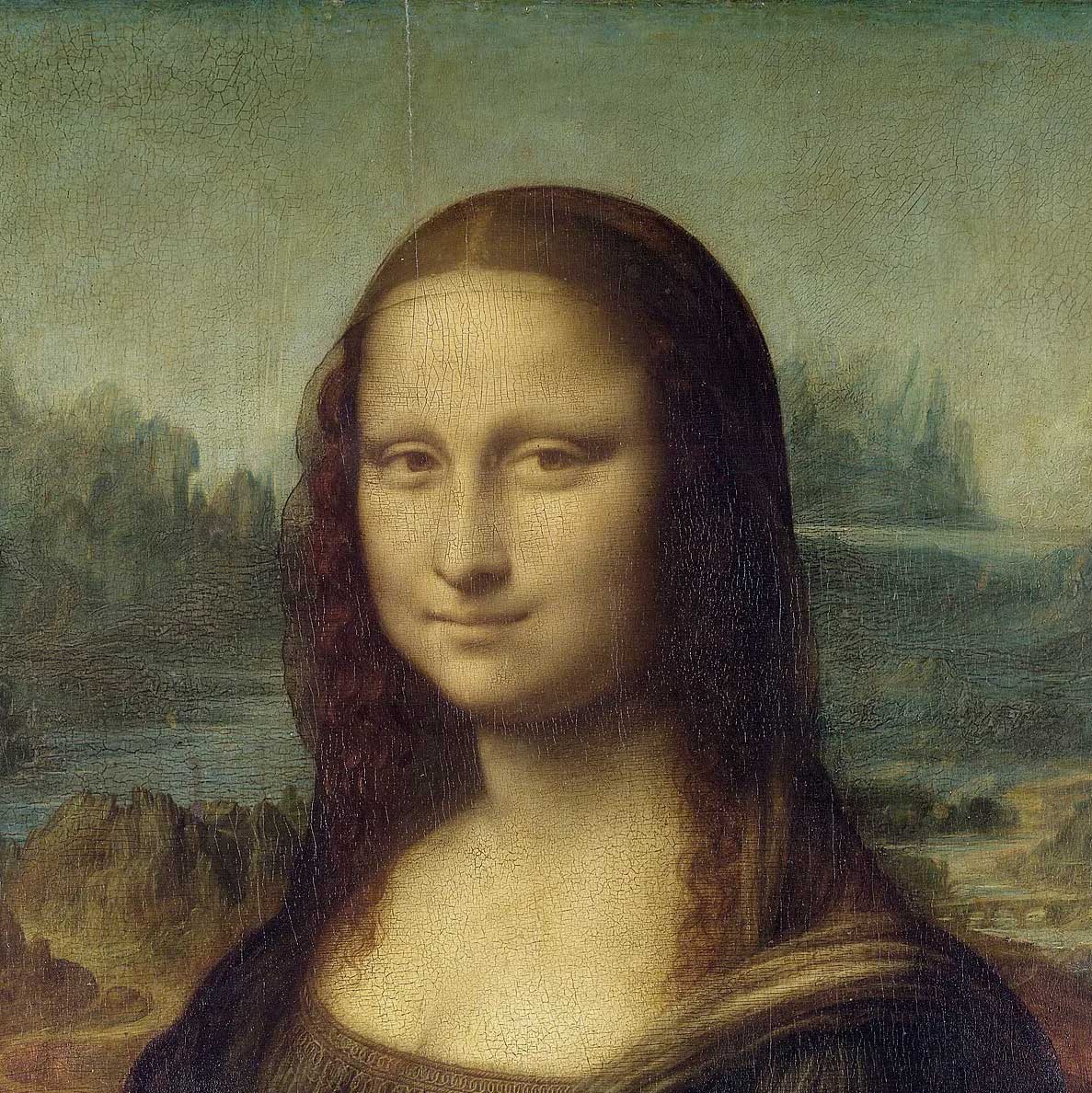
The Enigmatic Smile: Unraveling the History and Significance of the Mona Lisa
Introduction: The Iconic Status of the Mona Lisa
The Mona Lisa is undoubtedly the world's most famous painting, capturing the imagination of millions of people across the globe. Painted by the renowned artist Leonardo da Vinci, it has attained a level of cultural significance that few artworks can match. The enduring fascination and intrigue that surround the Mona Lisa can be attributed to its unique qualities and the genius of its creator.
Leonardo da Vinci, a true polymath of the Renaissance era, revolutionized the world of art with his innovative techniques and unparalleled contributions. His mastery of perspective, anatomy, and light brought a new level of realism to his works. The Mona Lisa, with its enigmatic smile and compelling gaze, exemplifies Leonardo's artistic brilliance and continues to captivate audiences to this day.Read more

Decoding the Secrets of Mona Lisas Mysterious Smile: Exploring Theories, Scientific Analysis, and Symbolism
Introduction: Decoding the Secrets of Mona Lisa’s Mysterious Smile
The Mona Lisa, a famous portrait painted by Leonardo da Vinci in the 16th century, has captivated viewers for centuries with its enigmatic smile. This intriguing feature of the painting has sparked endless fascination and speculation, as people strive to uncover the secrets behind Mona Lisa’s elusive expression. In this article, we will embark on a journey to explore the theories, scientific analyses, and interpretations surrounding the mysterious smile that has made the Mona Lisa one of the most renowned artworks in history.
The Mona Lisa: A Masterpiece by Leonardo da Vinci
The Mona Lisa, created by the genius Leonardo da Vinci, is an iconic masterpiece that continues to mesmerize art enthusiasts around the world. Painted between 1503 and 1506, this portrait showcases Leonardo’s unparalleled skill in capturing the human form and conveying a sense of depth and realism. The Mona Lisa is universally recognized as one of the greatest achievements in art history, a testament to the timeless genius of da Vinci.
One aspect that sets the Mona Lisa apart is the enigmatic smile that graces her face. The smile is so subtly rendered that it flickers between happiness and melancholy, leaving viewers intrigued and eager to uncover its true meaning. This enigmatic quality has contributed to the enduring popularity and fascination surrounding the painting.

The Enigmatic Smile: A Subject of Fascination
The Mona Lisa’s enigmatic smile has been the subject of fascination for centuries. It is a smile that seems to invite interpretation, yet remains tantalizingly mysterious. The ambiguity of the smile adds to the allure of the painting, as viewers are left to ponder its meaning and the emotions it conveys. Countless art critics, scholars, and enthusiasts have offered their own theories and interpretations, each seeking to unravel the enigma that lies behind Mona Lisa’s smile.
One theory suggests that the smile represents a blend of joy and grief. According to this interpretation, the painting was commissioned to celebrate the birth of a new child after the loss of a previous one. This theory is supported by historical and scientific evidence, such as the discovery of a gauze covering typically worn by pregnant or postpartum women beneath the paint of the Mona Lisa. The idea that the smile reflects both the happiness of new life and the lingering sorrow of loss adds depth and complexity to the painting.
Theories and Interpretations of Mona Lisa’s Smile
The Sfumato Technique
Leonardo da Vinci’s innovative use of the sfumato technique is believed to have contributed to the enigmatic nature of the Mona Lisa’s smile. The sfumato technique involves subtly blurring the edges of the lips and eyes, creating a smoky, ethereal effect. This softening of lines and transitions allows for a seamless blending of colors, resulting in a mysterious quality. The application of sfumato to the Mona Lisa gives her smile a sense of ambiguity, as the transitions between joy and melancholy become more fluid and less defined.
Portrayal of Different Emotions
Another theory proposes that the Mona Lisa’s smile is a representation of both joy and grief. This interpretation is based on the belief that the painting was commissioned to commemorate the birth of a child after the loss of a previous one. It is suggested that Mona Lisa’s refusal to fully display her joy in the smile was influenced by the pain of her previous loss. This theory resonates with many bereaved women, who find solace in seeing their own sorrow reflected in the painting. It highlights the duality of life and loss, capturing the complexity of human emotions.
Research supports this theory, as scientific and historical evidence has been uncovered to substantiate the connection between the Mona Lisa’s smile and the experiences of Lisa Gherardini, believed to be the real-life model for the painting. Gherardini had six children, two of whom died before their second birthdays. The portrayal of joy tinged with grief in the Mona Lisa’s smile reflects the bittersweet reality of life and the contrast between external appearances and internal emotions.
To further understand the significance of the Mona Lisa’s smile, it is essential to explore the historical context in which the painting was created. The Italian Renaissance, a period of great artistic and intellectual flourishing, emphasized realism and the expression of humanity. The Mona Lisa, with its subtle smile, encapsulates the spirit of the Renaissance, capturing the nuanced emotions of a woman who has undergone a rebirth. It serves as a powerful reminder of the complexities of life and the importance of acknowledging the layers of grief that may exist beneath the surface.
Scientific Analysis: Solving the Mystery
In recent years, scientists and researchers have turned to modern technology to gain greater insights into the nature of the Mona Lisa’s smile. One notable study conducted by the University of Freiburg used emotion recognition software and manipulated photos to analyze the smile. The study found that the smile was overwhelmingly perceived as “happy” by participants, dispelling some of the previous theories that suggested a mixture of emotions. According to the study, the original photo of the Mona Lisa’s mouth was perceived as “happy” 97% of the time.This research provides compelling evidence that the smile is indeed a portrayal of happiness.
Another scientific approach involved analyzing the Mona Lisa’s facial features using advanced techniques. Through the use of high-resolution scans and digital imaging, researchers were able to uncover intricate details about the painting. This analysis revealed the subtle changes in the positioning of the lips and the play of light and shadow that contribute to the enigmatic smile.By dissecting and reconstructing different elements of the smile, scientists gained a deeper understanding of how Leonardo da Vinci manipulated the viewer’s emotions through his artistry.
Perception and Interpretation of Mona Lisa’s Smile
Our perception plays a vital role in interpreting the Mona Lisa’s smile. The interplay between shadows, motion, and contrasts creates a dynamic visual experience that influences how we perceive the smile. Harvard neuroscientist Margaret Livingstone has conducted extensive research on the subject and suggests that our eyes perceive the smile differently based on where we focus. When we direct our gaze towards the mouth, the shadows that contribute to the smile seem to disappear, making the smile appear less pronounced. However, when we shift our focus to other parts of the painting, such as the eyes or the background, the shadows reappear, and the smile seems to flicker back into view.This phenomenon creates a sense of ambiguity and intrigue, as the smile appears to fade in and out depending on the viewer’s perspective.
The Mona Lisa’s smile is a testament to the power of visual perception and the ways in which our eyes interpret and process information. The subtle use of shadows and the play of light and dark create an optical illusion that gives the smile its elusive quality. As our eyes move across different parts of the painting, the smile seems to shift and change, captivating our attention and sparking our curiosity. This interplay between perception and interpretation adds to the enduring appeal of the Mona Lisa’s smile.
What if the Mona Lisa had a daughter?
In an intriguing painting by contemporary artist Alex Righetto, the Mona Lisa’s daughter comes to life, offering a fascinating and fresh look at an icon of Renaissance art. With his artistic mastery, Righetto creates a link between past and present, tradition and modernity, inviting viewers to reflect on the continuity and evolution of art and beauty through the centuries.
Decoding the Symbolism: The Enduring Allure of Mona Lisa’s Smile
The enigmatic smile of the Mona Lisa holds deep symbolism that continues to captivate audiences. It represents mystery, beauty, and the complexity of human emotions. The enduring allure of the smile lies in its ability to evoke curiosity and invite interpretation. The smile has had a lasting impact and influence on art and popular culture, inspiring countless artists, writers, and filmmakers to explore its depths and create their own interpretations.
The enigmatic smile of the Mona Lisa has become an iconic symbol of intrigue and fascination. Its enigmatic nature transcends time and cultural boundaries, making it a subject of universal interest. The smile has been referenced and parodied in various forms of media, from literature to advertisements, cementing its place in popular culture. The enduring popularity of the Mona Lisa’s smile reflects the timeless appeal of mystery and beauty in art.
Additional Context: Fascinating Facts about the Mona Lisa
Aside from the enigmatic smile, the Mona Lisa possesses several other fascinating aspects. The painting measures 30 x 21 inches and was created using oil on a poplar panel. This size and medium were common during the Italian Renaissance period, highlighting the technical expertise and artistic choices of Leonardo da Vinci. The historical context in which the painting was created is also significant, as it represents a pivotal time in art history characterized by a renewed interest in humanism, scientific inquiry, and artistic exploration.
Exploring the Legacy of Leonardo da Vinci
Leonardo da Vinci’s contributions to the art world extend far beyond the Mona Lisa. His innovative techniques, scientific observations, and artistic vision have left an indelible mark on the world of art and creativity. Da Vinci’s ability to capture the complexity of human emotions, as exemplified in the Mona Lisa’s smile, revolutionized the art world and continues to inspire artists to this day. His legacy as an artist, inventor, and visionary serves as a testament to the power of curiosity, observation, and imagination.
The Mona Lisa’s Smile in Popular Culture
The enigmatic smile of the Mona Lisa has had a profound impact on popular culture. It has been referenced, parodied, and adapted in various forms of media, from movies to advertisements. The enduring appeal of the smile lies in its ability to evoke intrigue and curiosity, inviting artists and creators to explore its symbolism and reinterpret it in their own works. The Mona Lisa’s smile has become an iconic symbol of mystery, beauty, and artistic excellence, resonating with audiences across different generations and cultures.
Shap Colors.
Perfect Image.
Secure Your Copy of 'Mona Lisa's Daughter.' Brilliant Aluminum Print Ready to Hang.
Unveiling the Secrets: Behind the Scenes of Mona Lisa’s Smile
The creation process of the Mona Lisa involved Leonardo da Vinci’s innovative techniques and meticulous attention to detail. From the subtle blurring of edges using the sfumato technique to the careful manipulation of light and shadow, da Vinci employed a range of artistic methods to achieve the enigmatic smile. His mastery of these techniques allowed him to create a smile that appears to fluctuate and change depending on the viewer’s perspective. The complexity and artistry behind the Mona Lisa’s smile serve as a testament to Leonardo da Vinci’s genius as an artist and his ability to evoke emotions through his work.
Mona Lisa’s Smile: A Symbol of Mystery and Beauty
The Mona Lisa’s smile endures as a symbol of mystery, beauty, and the depth of human emotions. It represents the enigmatic aspects of art that continue to captivate and intrigue us. By embracing and celebrating the complexities of the human experience, the Mona Lisa’s smile invites us to explore the intricacies of our own emotions and perceptions. It serves as a reminder of the power of art to evoke feelings, spark curiosity, and transcend time.
Conclusion: Unraveling the Enigma of Mona Lisa’s Smile
In conclusion, the Mona Lisa’s smile remains one of the greatest mysteries in the art world. Despite the countless theories, scientific analyses, and interpretations, the true meaning behind the smile continues to elude us. The enduring fascination and impact of the Mona Lisa’s smile are a testament to its timeless allure and the genius of Leonardo da Vinci. As we continue to explore the secrets of this enigmatic smile, we invite you to delve deeper into the world of art and discover the captivating offerings at Alex Righetto. Join us on this journey of discovery and immerse yourself in the beauty and intrigue of the Mona Lisa’s smile.