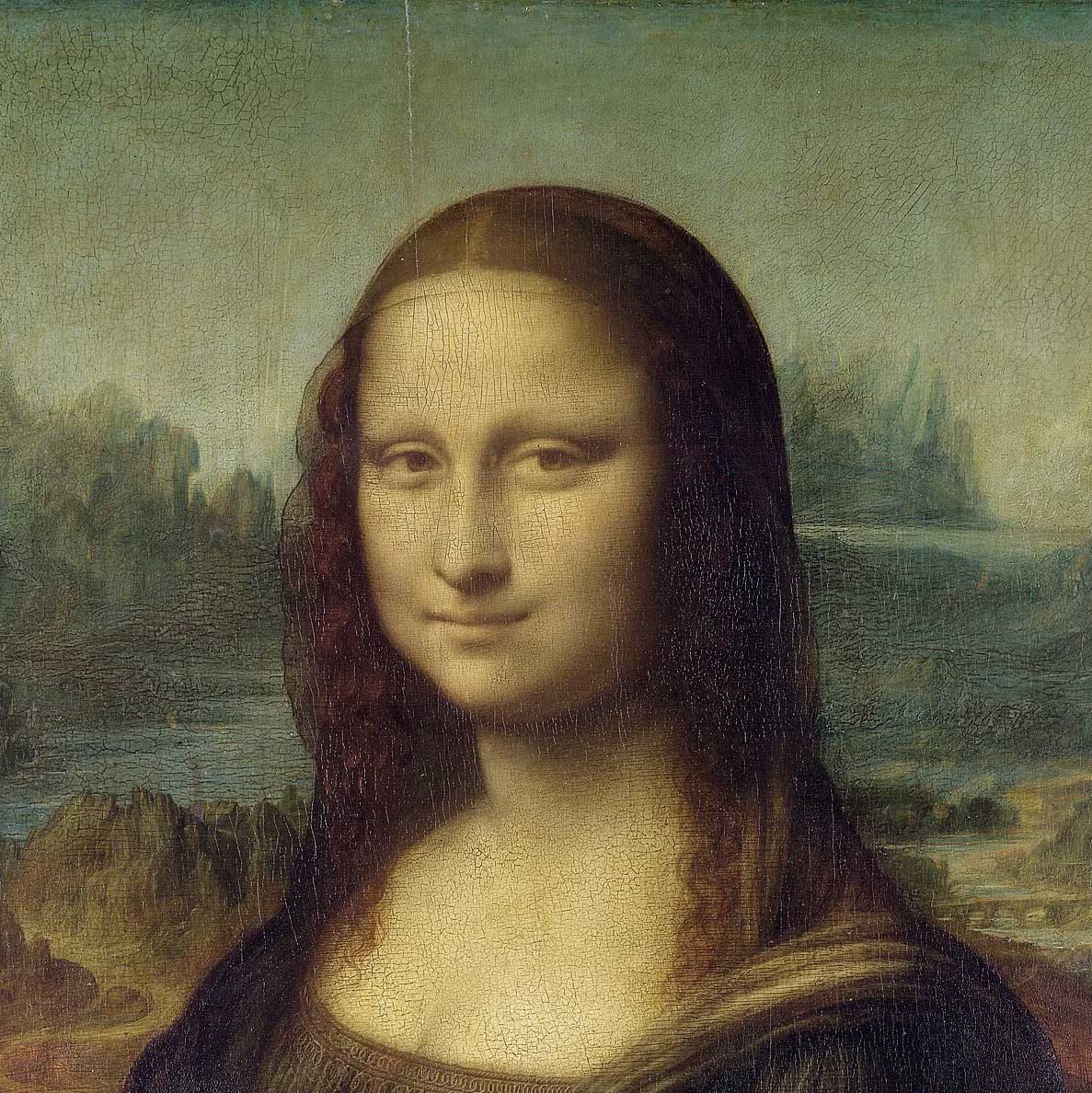

At a recent art exhibition, a young visitor found herself captivated by Mona Lisa’s Daughter, an oil painting by Italian contemporary figurative artist Alex Righetto. Unable to simply walk past, she stopped to take in the artwork. Seeing her reaction, Alex invited her to share her thoughts and emotions in a brief, spontaneous interview.

Her response offers a glimpse into the powerful connection that can emerge between an artwork and the person standing before it.

The Emotional Impact of the Mona Lisa’s Daughter Painting

Art exhibitions bring together works of different styles, subjects, and dimensions. Visitors often move from one painting to another, discovering new artists and visual perspectives along the way. With so much to see, however, it is not always possible to learn the story behind every artwork.

Sometimes, a painting manages to capture someone’s attention before they know anything about its history or meaning.

The Mona Lisa’s Daughter painting has a distinctive presence that encourages visitors to pause. Its imposing dimensions, expressive colors, and figurative composition make it difficult to overlook. Yet its impact extends beyond its physical scale.

The work invites viewers to look more closely and develop their own interpretations, creating space for an emotional response that may be entirely personal.

The Story Behind Mona Lisa’s Daughter

Completed in 2023, Mona Lisa’s Daughter was created by Alex Righetto using oil on canvas. The work draws inspiration from Lisa del Giocondo, traditionally identified as the woman portrayed in Leonardo da Vinci’s Mona Lisa, and the loss of a daughter shortly after birth.

Through this subject, Righetto explores the relationship between beauty, loss, and the fragility of human existence. The painting reflects on the coexistence of life and mortality, inviting viewers to consider experiences that transcend time and cultural boundaries.

Understanding the story behind an artwork can deepen its meaning, but an emotional connection does not always require an explanation.

When Art Speaks for Itself

In the video, the visitor shares her personal impressions of Mona Lisa’s Daughter in her own words. Her response reminds us that every encounter with art is different, shaped by individual feelings, memories, and perspectives.

For an artist, these spontaneous reactions offer a valuable insight into how a work is received beyond the studio. Once a painting meets its audience, it becomes part of a new experience, one that extends beyond the artist’s original intentions.

Sometimes, the most meaningful response to a painting is not an elaborate interpretation, but the simple decision to stop and look.

Watch the video to hear this visitor’s reaction to Mona Lisa’s Daughter by Alex Righetto.
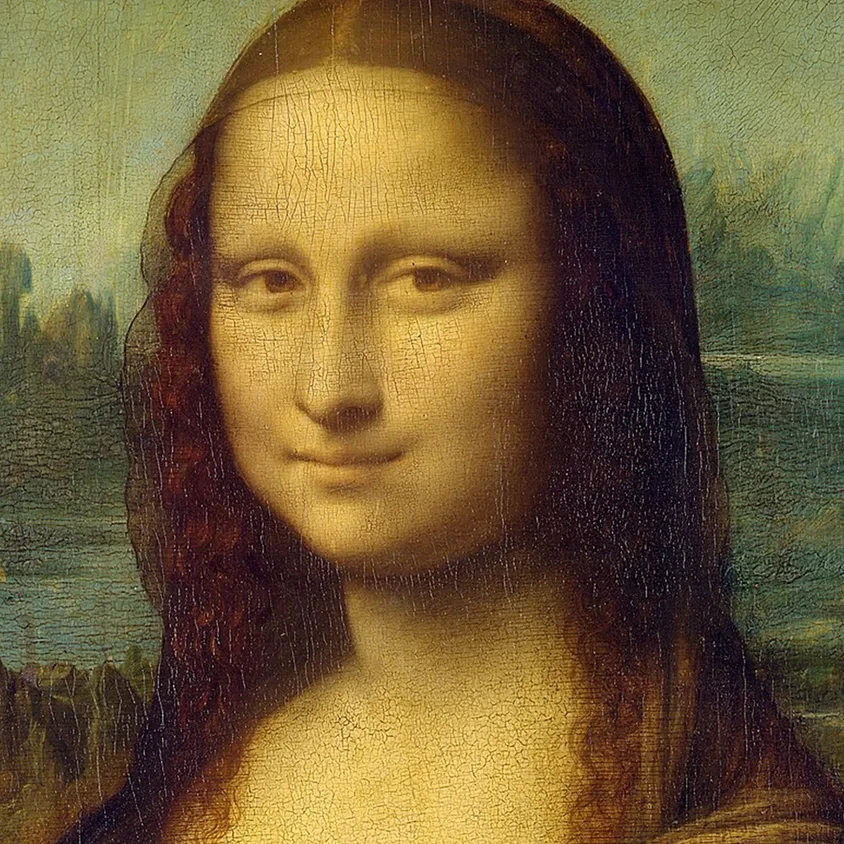
At a recent art exhibition, a young visitor found herself captivated by Mona Lisa’s Daughter, an oil painting by Italian contemporary figurative artist Alex Righetto. Unable to simply walk past, she stopped to take in the artwork. Seeing her reaction, Alex invited her to share her thoughts and emotions in a brief, spontaneous interview.

Her response offers a glimpse into the powerful connection that can emerge between an artwork and the person standing before it.

The Emotional Impact of the Mona Lisa’s Daughter Painting

Art exhibitions bring together works of different styles, subjects, and dimensions. Visitors often move from one painting to another, discovering new artists and visual perspectives along the way. With so much to see, however, it is not always possible to learn the story behind every artwork.

Sometimes, a painting manages to capture someone’s attention before they know anything about its history or meaning.

The Mona Lisa’s Daughter painting has a distinctive presence that encourages visitors to pause. Its imposing dimensions, expressive colors, and figurative composition make it difficult to overlook. Yet its impact extends beyond its physical scale.

The work invites viewers to look more closely and develop their own interpretations, creating space for an emotional response that may be entirely personal.

The Story Behind Mona Lisa’s Daughter

Completed in 2023, Mona Lisa’s Daughter was created by Alex Righetto using oil on canvas. The work draws inspiration from Lisa del Giocondo, traditionally identified as the woman portrayed in Leonardo da Vinci’s Mona Lisa, and the loss of a daughter shortly after birth.

Through this subject, Righetto explores the relationship between beauty, loss, and the fragility of human existence. The painting reflects on the coexistence of life and mortality, inviting viewers to consider experiences that transcend time and cultural boundaries.

Understanding the story behind an artwork can deepen its meaning, but an emotional connection does not always require an explanation.

When Art Speaks for Itself

In the video, the visitor shares her personal impressions of Mona Lisa’s Daughter in her own words. Her response reminds us that every encounter with art is different, shaped by individual feelings, memories, and perspectives.

For an artist, these spontaneous reactions offer a valuable insight into how a work is received beyond the studio. Once a painting meets its audience, it becomes part of a new experience, one that extends beyond the artist’s original intentions.

Sometimes, the most meaningful response to a painting is not an elaborate interpretation, but the simple decision to stop and look.

Watch the video to hear this visitor’s reaction to Mona Lisa’s Daughter by Alex Righetto.